Room 11 Coaching
All organisation solutions
Coaching & training for organisations

The Human Impact of AI Change

Confident people. Successful change.
Support for leaders and teams as AI changes how they work, so the technology delivers and the people stay confident.

Talk to me
Video coming soonThe Human Impact of AI ChangeThe Human Impact of AI Change introduction (video coming soon)
The human side of change

AI change often takes longer
than it should.

The cause is rarely the technology. It is people, inside the business and among its customers, moving through change at different speeds.

It is not whole teams that struggle. It is certain individuals: some race ahead without understanding the detail, others dig in. That imbalance is what slows the work down.

The leaders overseeing the rollout are often not equipped to handle it. Their own role is changing too, as they manage work that spans both people and AI.

Investment in AI often arrives alongside change to the workforce. Add a potential workforce restructure into the mix, and that unease deepens. People start asking what their role becomes and what skills they will need.

Fear rarely looks like fear. It shows up as behaviour: disengagement, reluctance to ask questions, time off sick. After months of change, fatigue sets in too.

If the people who remain are not consistently engaged, the business does not get the return it expected from its technology investment.

The programme

Understand the change.
Embrace it with confidence.

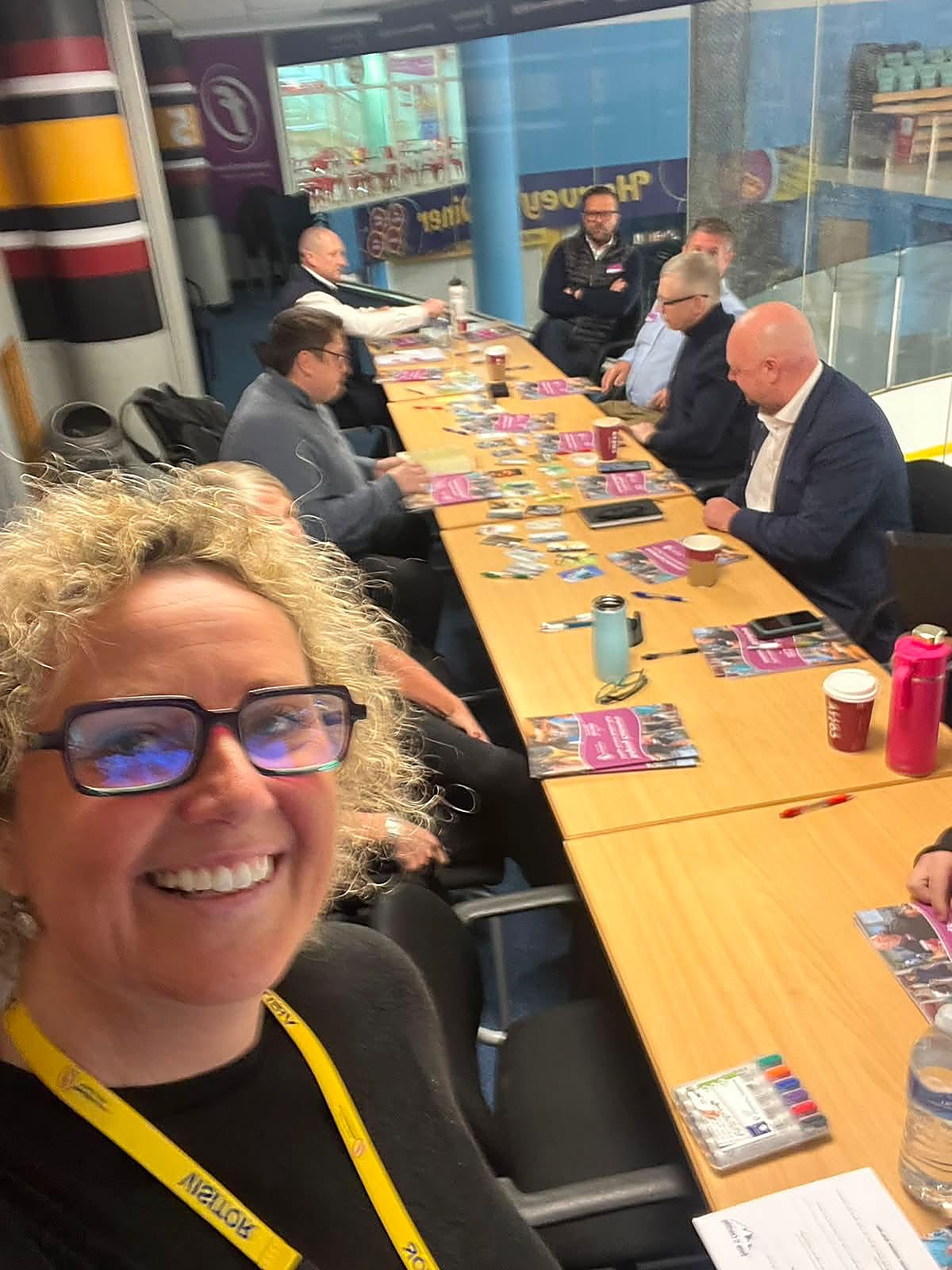
Anna with workshop participants gathered around a table during a training session.
Block 1

Leading through change

For team leaders and managers. Where they are in the change cycle, supporting their people, how their own role is changing as they lead work that spans people and AI, having honest conversations about roles and skills, and holding themselves and others accountable calmly and kindly.

Block 2

Embracing the change

For wider teams in cohorts, with leaders present. Change starts with a shift in mindset, and that shift is different for every person. My role is to support your team through it.

Together we look at where we are, where we are going and why, and what it means for each person and team. People get a shared language for change, trust and a safe space to ask questions and try new ways of working, and practical ways to stay steady when things feel pressured.

Nobody is told what to think or how to feel. Each person leaves with a toolkit they own, and a clearer, calmer view of the change and their place in it.

Block 3

The human conversation

For teams who deal with customers or colleagues, internal or external, by phone or face to face. Every conversation, every time.

Whether it is a sales conversation or a service conversation, people need a toolkit they can rely on. Teams learn to read what is going on, stay calm and confident, and guide the conversation to the best outcome for the business and for the person on the other end.

Customers are going through their own experience of AI change too. They may arrive unsure, frustrated or wary of new ways of doing things. Your people learn to support them through it in the best way possible, so the customer feels looked after and the relationship stays strong.

The toolkit is practical and human, not scripted, so it holds up on the hard days as well as the easy ones.

Ongoing coaching

Coaching and reinforcement afterwards, to keep engagement up as the next phase of change arrives.

Every part is built around your team size and needs.

My approach

My approach is built on Organisational Transactional Analysis, a model for how people communicate and how thoughts, feelings and behaviour interact. It helps surface what is really going on beneath disengagement or resistance, so ease of communication stays strong through the change.

What changes
01

Leaders fully equipped

They know where their people are in the change, and how to support and hold them accountable, calmly and kindly.

02

A workforce that's on board

People understand why the change is happening, what it means for them, and have the tools to handle it.

03

Better communication

Greater ease of communication between colleagues, and with customers.

Results reflect each client's circumstances, not a guarantee.